Edinburgh is more than a historic city. It is a living conversation between conservation and change, landscape and density, memory and modernity.
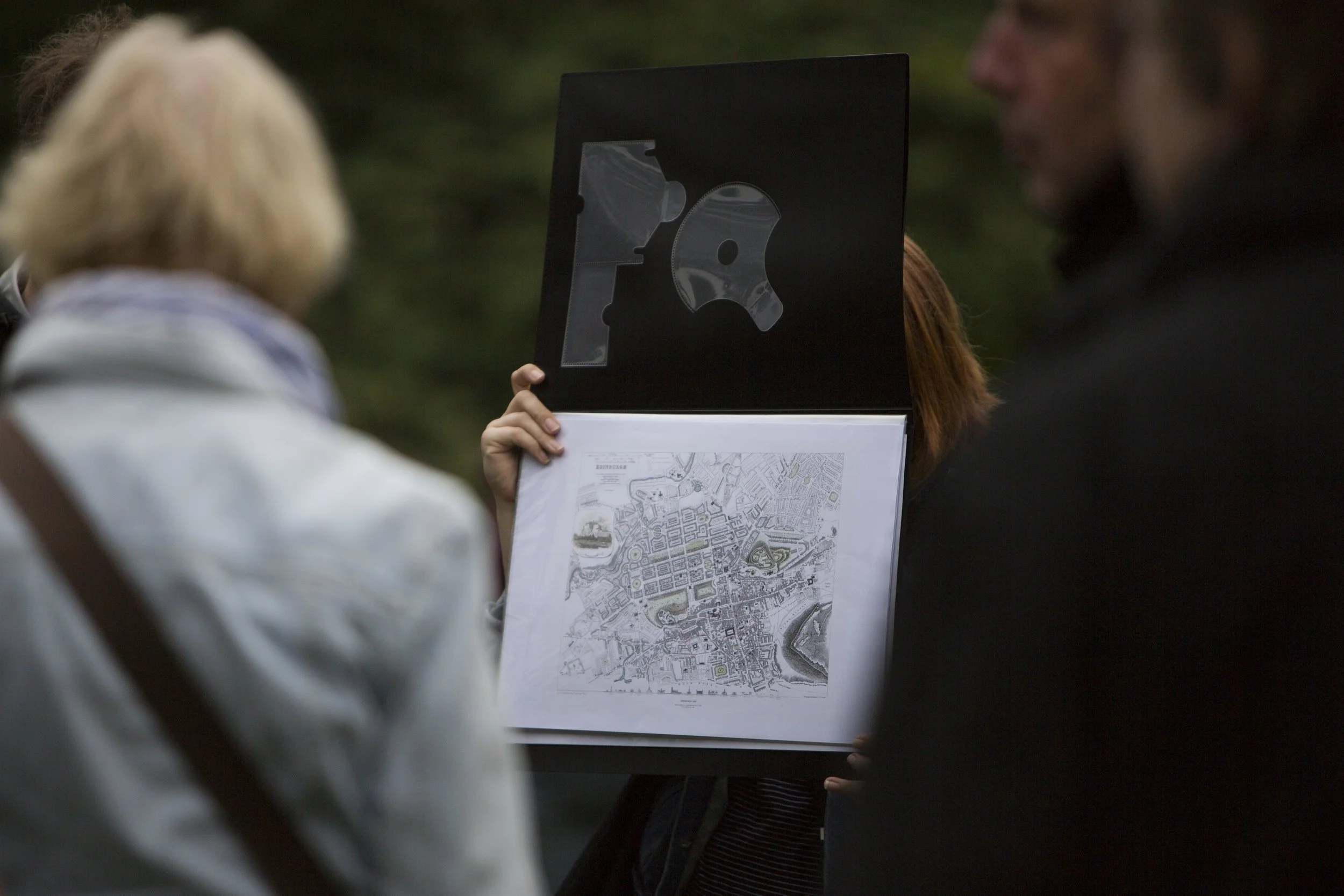
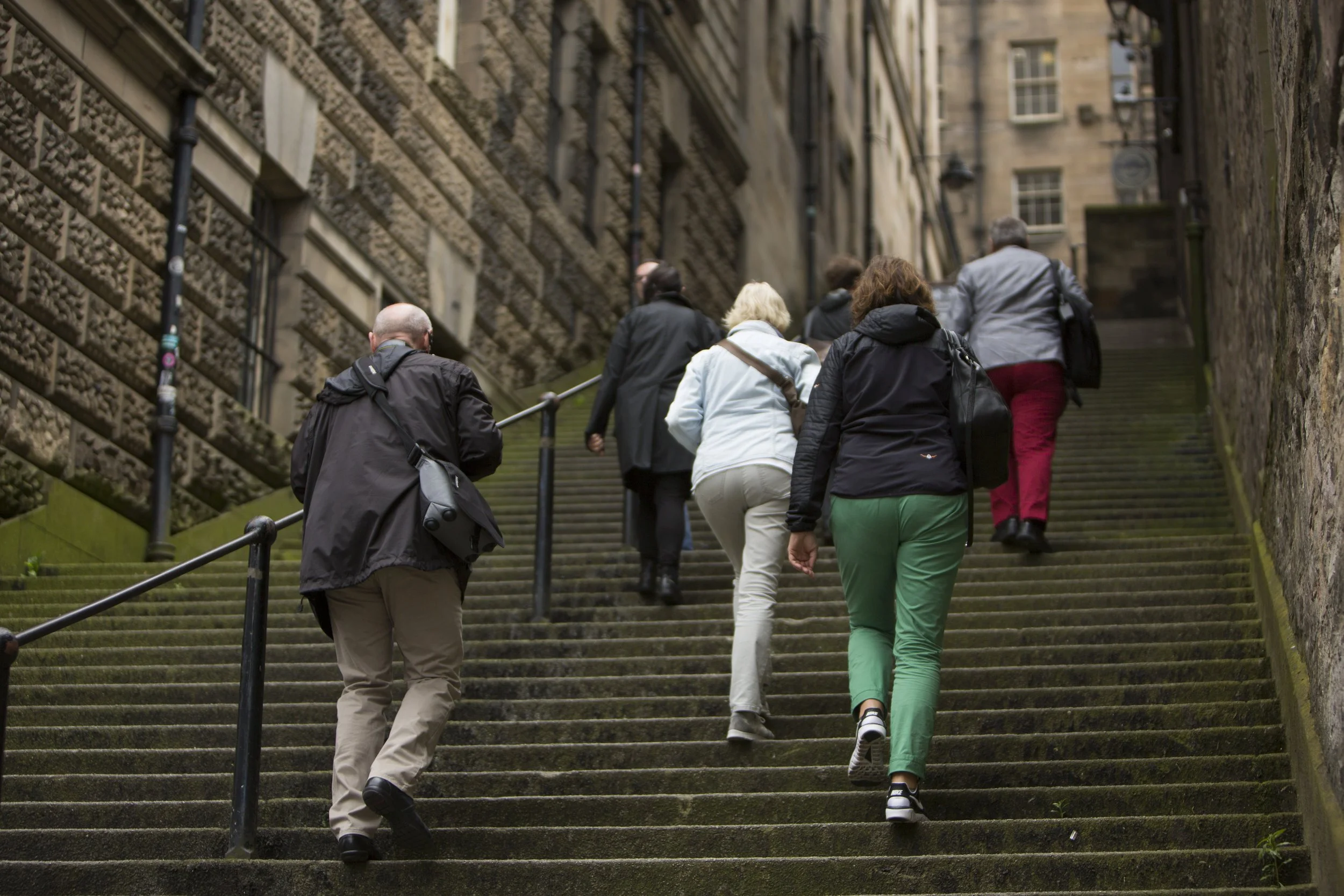
It is a labyrinth city and a place that rewards walking. Rather than understanding it from a single viewpoint, the city reveals itself gradually — through changes in elevation, framed views, sudden openings and constantly shifting relationships between buildings and landscape.
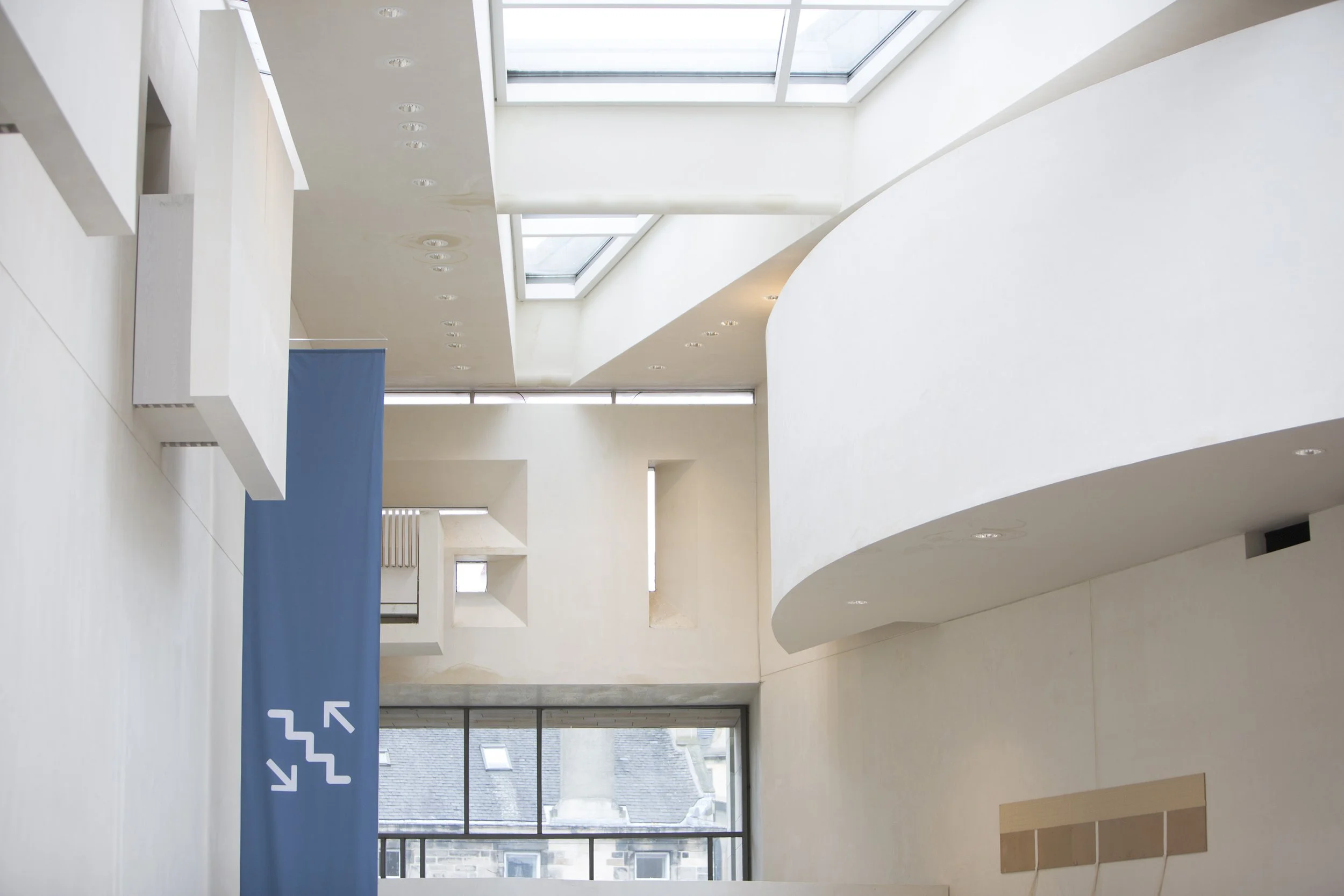
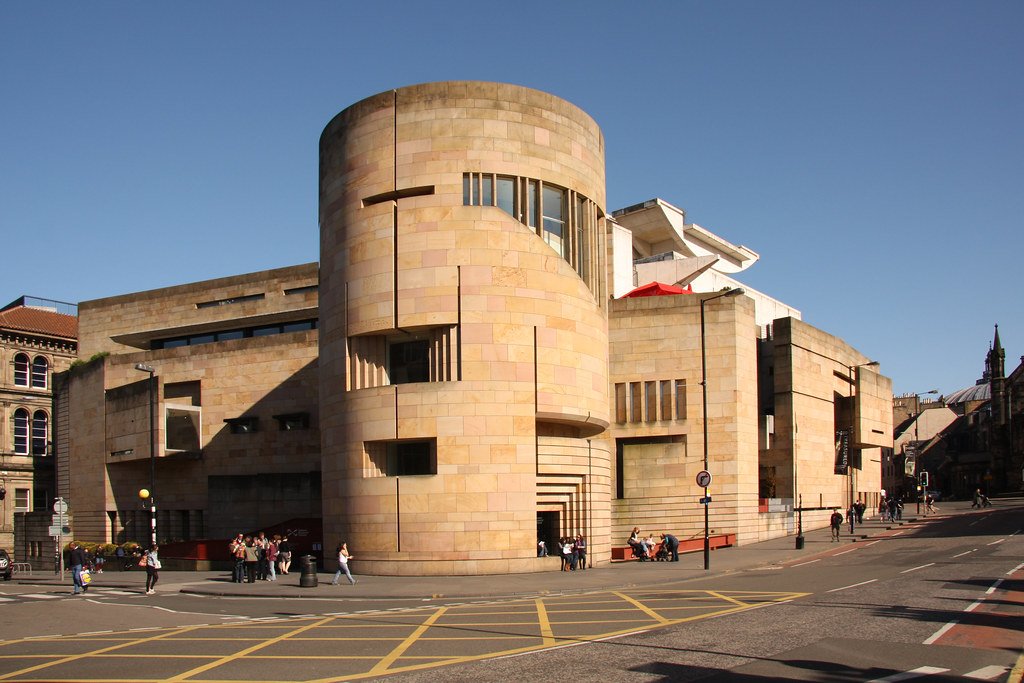
Contemporary architecture continues to negotiate this complex urban structure. New interventions have to find their place within an existing network of streets, views, buildings and public spaces, adding another layer to a city that has been continuously adapted and reinvented.

The Old & New Town
Few cities make the relationship between landscape, architecture and history as visible as Edinburgh.
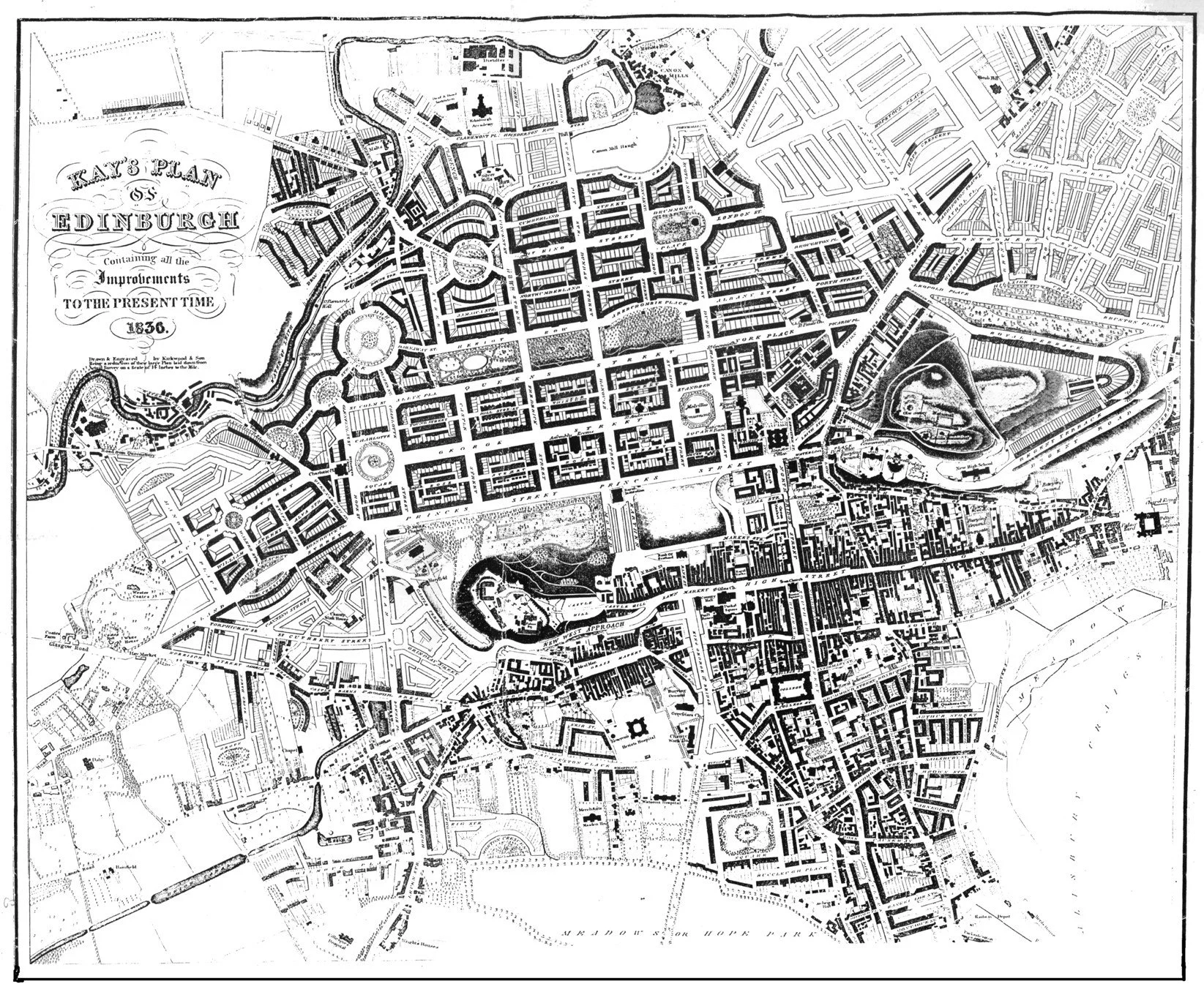
The medieval Old Town stretches along the dramatic ridge between Edinburgh Castle and Holyrood, while the eighteenth-century New Town extends northwards in a carefully planned composition of streets, squares and terraces.
Together, Old Town and New Town form one of Europe's great urban landscapes and a UNESCO World Heritage Site. The contrast between them is fundamental to understanding Edinburgh: medieval density and Enlightenment order, organic growth and deliberate planning, defensive landscape and civic ambition.
But Edinburgh's architectural story did not end with the New Town.
/
A city built through ideas
Edinburgh has repeatedly reinvented itself through architecture.
The nineteenth and twentieth centuries brought new institutions, infrastructure and housing, while the post-war period introduced another layer of urban thinking. Today, the city continues to negotiate the difficult question of how to accommodate growth while protecting an exceptionally sensitive historic environment.
This makes Edinburgh a particularly fascinating place to explore contemporary architecture.
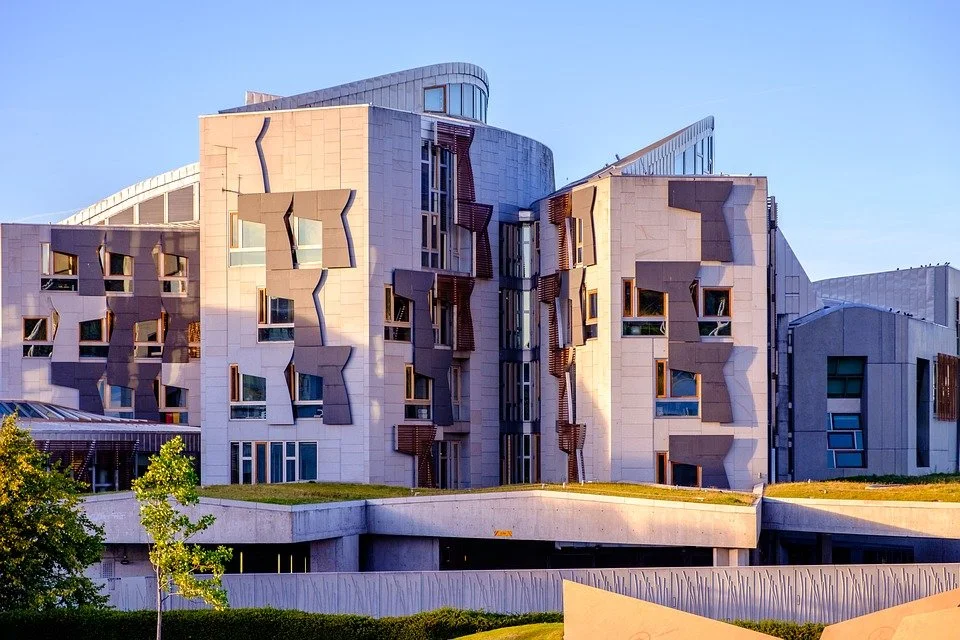
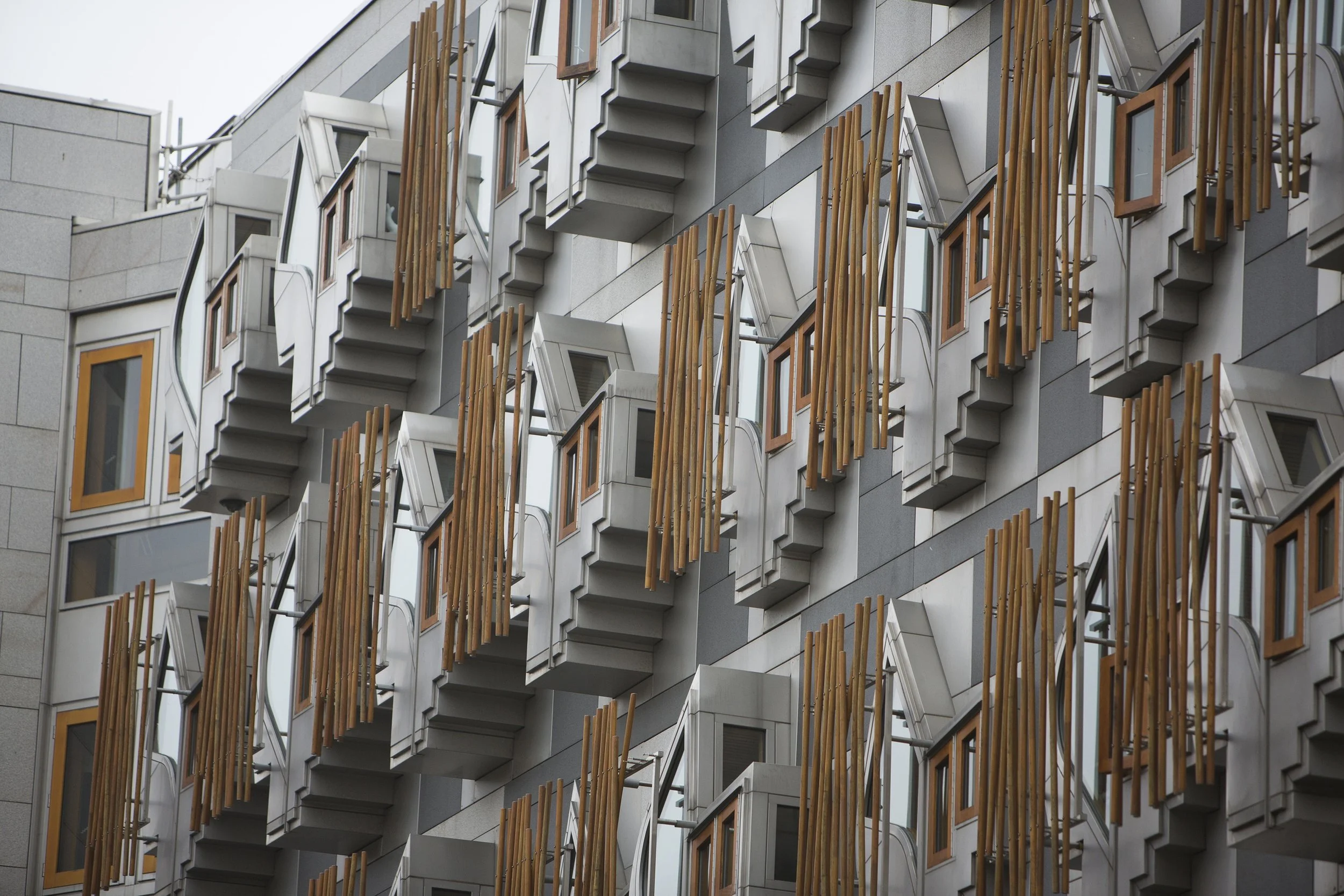
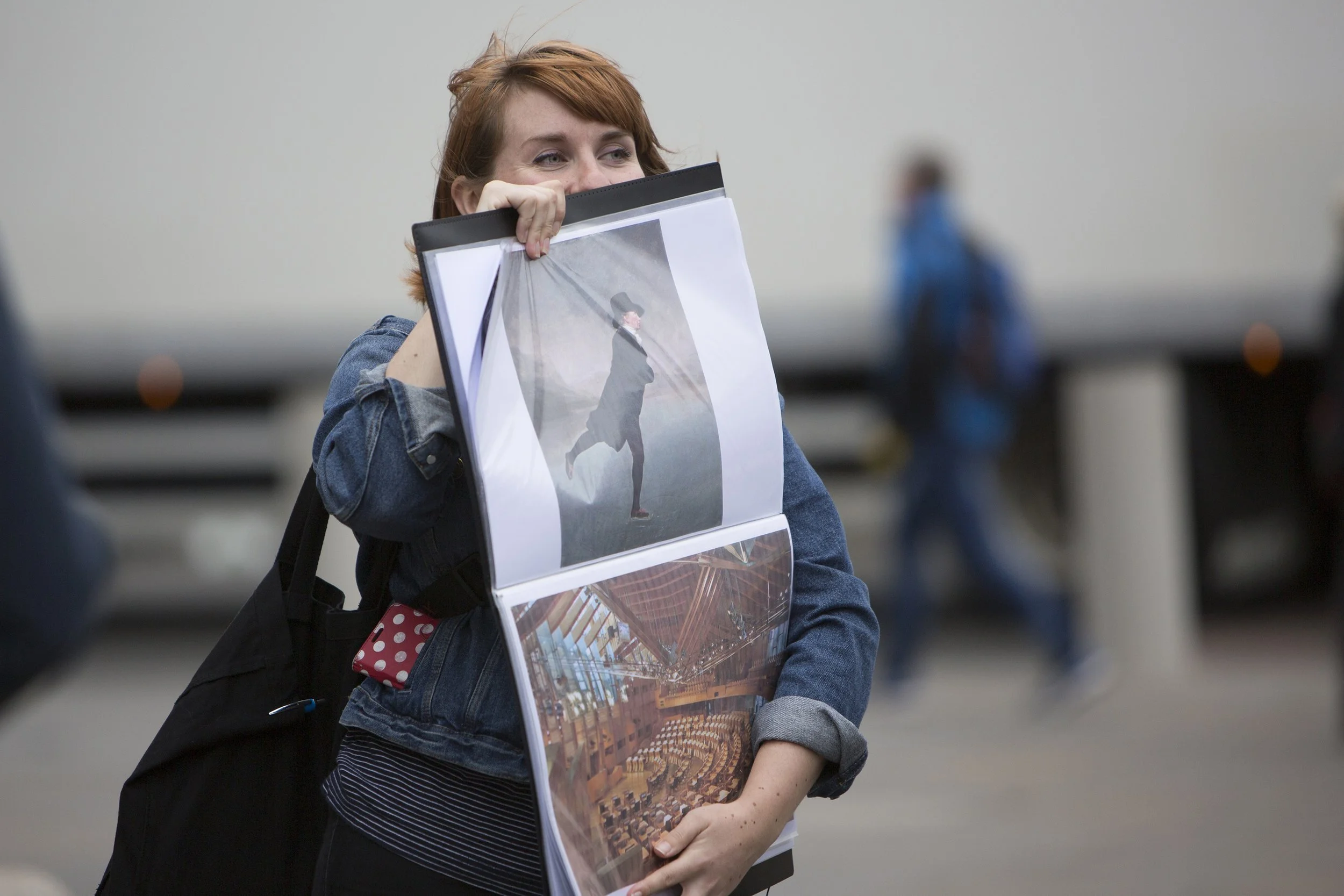
New buildings have to respond not only to neighbouring buildings but also to topography, views, streets, skyline and the wider historic city. The Scottish Parliament by Enric Miralles is perhaps the most famous contemporary example: its fragmented, landscape-inspired architecture deliberately engages with the site and with ideas about Scottish identity and democracy.
/
Contemporary City
In addition to the challenges of responding the UNESCO World Heritage site there is also a rich contemporary practice engaged with building re-use, retrofit, social housing, placemaking and sustainable construction.
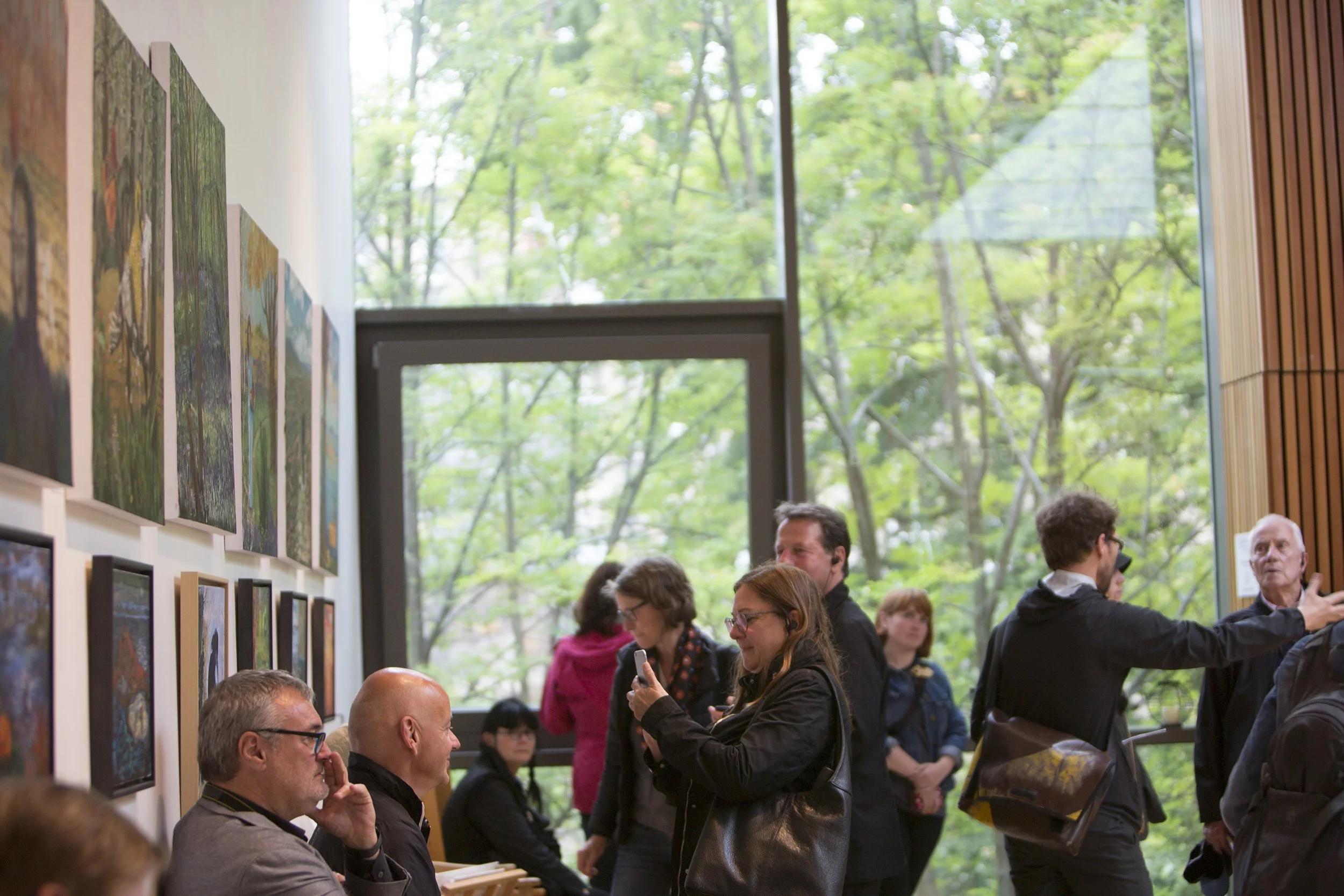
Our tours connect with architects and urban designers working in the city and explore the key contemporary urban developments.
Key Themes in Edinburgh
Working within a UNESCO World Heritage Site
Edinburgh's Old and New Towns form an exceptional urban landscape recognised as a UNESCO World Heritage Site. Contemporary architecture therefore operates within a city where historic buildings, streets, views and landscapes are carefully protected. We explore the challenges of introducing new architecture into this highly sensitive context — and the opportunities that arise from working with such a rich urban fabric.
National Identity & Politics
Architecture has played an important role in Scotland's evolving national identity. From the monumental architecture of the New Town to the Scottish Parliament at Holyrood, buildings and public spaces have often been used to express ideas about civic life, identity and political power. Tours can explore how architecture reflects Scotland's past and its changing relationship with the United Kingdom.
Urban Landscape
Edinburgh's architecture cannot be separated from its landscape. The city is shaped by hills, ridges, valleys, cliffs and dramatic views, creating a distinctive three-dimensional urban environment. We explore how topography has influenced the development of the city — and how architecture continues to respond to, frame and transform its landscape.
Sustainable Construction
How can a historic city respond to the climate emergency? Edinburgh provides an opportunity to examine the relationship between sustainability, new construction and the existing city. We explore approaches including low-carbon materials, energy-efficient design, retrofit, adaptive reuse and the creation of more sustainable neighbourhoods.
Urban Social Housing
Housing has been central to Edinburgh's urban development, from the dense tenements of the historic city to twentieth-century housing schemes and contemporary developments. Tours can examine changing approaches to social housing, density, community and place-making, as well as the challenge of providing affordable homes within a growing city.
Conservation Practices
Conservation in Edinburgh is not simply about preserving individual buildings. It involves managing an entire urban landscape and negotiating between heritage, contemporary needs and future change. We explore different approaches to conservation, restoration, adaptation and reuse, considering how historic buildings and neighbourhoods can remain active parts of a living city.